
Compressed air piping plays a crucial role in optimizing production lines across various industries, serving as the backbone for powering pneumatic tools, automation systems, and machinery. Efficient compressed air distribution is fundamental to maintaining smooth operations, reducing downtime, and ensuring the overall productivity of manufacturing processes. At its core, compressed air piping acts as the delivery network that transports compressed air from the generation source typically an air compressor to the end-use equipment. The design, installation, and maintenance of this piping system can significantly influence the effectiveness of the entire production line. One of the primary ways compressed air piping optimizes production lines is by ensuring consistent air pressure and flow rates. Pneumatic tools and machines require stable and adequate air pressure to function correctly. Any fluctuation or pressure drop within the piping can lead to equipment underperformance, slower cycle times, or even complete stoppages. Properly sized and laid out piping minimizes resistance and pressure loss, enabling air to reach the equipment at optimal pressure levels.
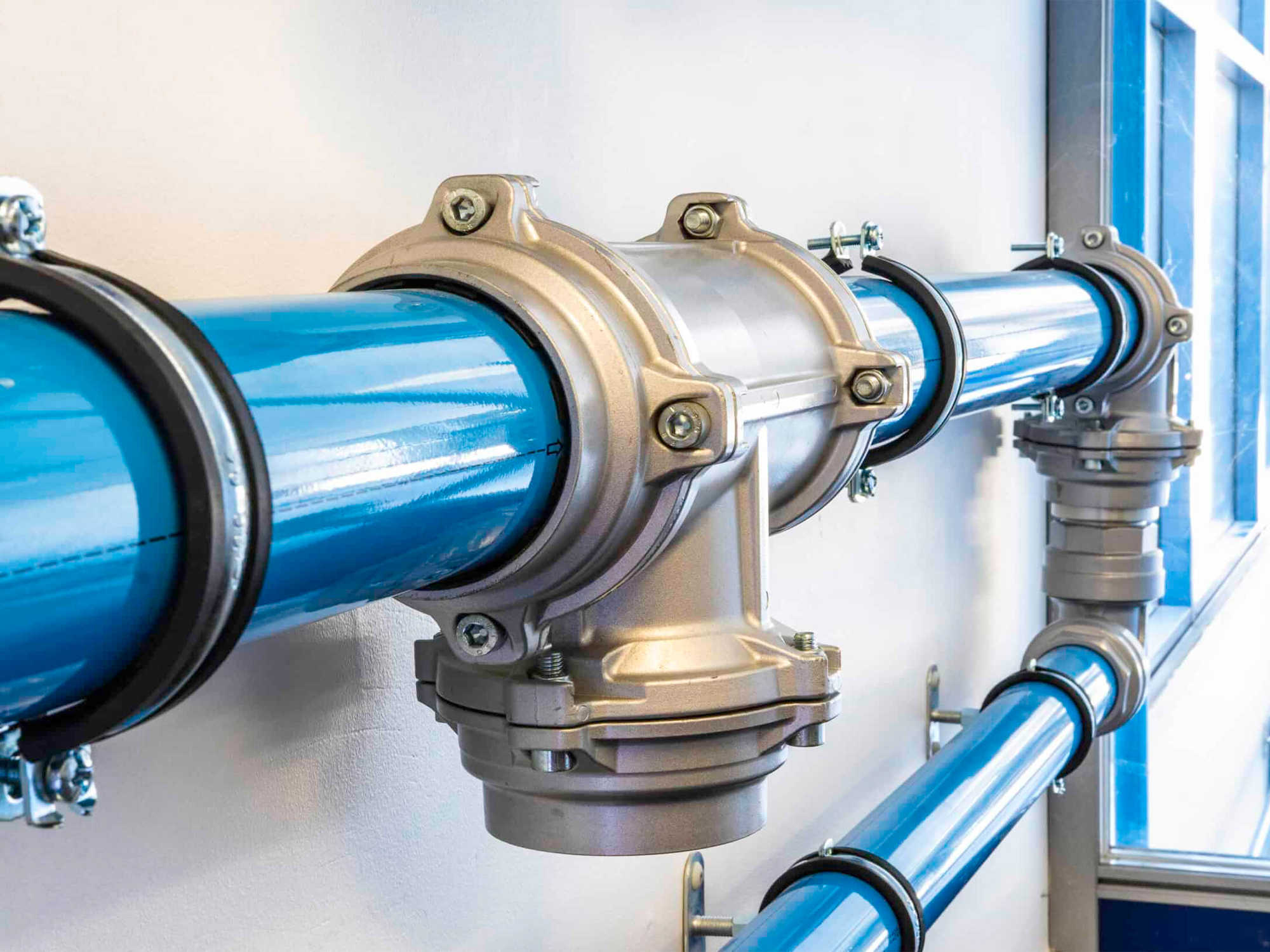
This consistency not only maximizes operational efficiency but also extends the lifespan of machinery by reducing strain caused by insufficient or erratic air supply. Material selection and piping layout are also pivotal factors that impact production line optimization. Using high-quality materials such as stainless steel, aluminum, or specialized plastics designed for compressed air ensures durability and reduces the risk of leaks or corrosion. Leaks in compressed air piping are a common and costly problem that leads to wasted energy and increased operational costs and click this over here now. A well-designed layout minimizes unnecessary bends, fittings, and joints, which are potential points for leakage and pressure loss. Additionally, strategic placement of piping helps in easy accessibility for maintenance and reduces the complexity of the system, further minimizing downtime during repairs or inspections. Another important aspect is the integration of compressed air piping with automation and control systems. Modern production lines increasingly rely on automated equipment that uses pneumatic actuators, valves, and cylinders. The piping system must be capable of responding rapidly to control signals, delivering air precisely where and when it is needed.
This level of control enables faster production cycles and more accurate manufacturing processes. Furthermore, the use of sensors and smart monitoring devices along the piping network allows for real-time tracking of air pressure, flow, and potential leaks, enabling proactive maintenance and reducing unexpected stoppages. Energy efficiency is a critical concern in optimizing production lines, and compressed air piping directly influences this factor. Compressed air is often one of the most expensive utilities in a manufacturing facility, and inefficiencies in piping can significantly inflate energy consumption. Additionally, incorporating features like air receivers and pressure regulators within the piping system helps balance demand fluctuations and stabilize supply, further contributing to energy savings. Compressed air piping is a vital component in optimizing production lines, impacting everything from operational efficiency and energy consumption to equipment longevity and workplace safety. Investing in high-quality materials, thoughtful design, smart integration, and diligent maintenance of the compressed air piping system ensures that production lines operate at peak performance. As industries continue to evolve toward more automated and energy-conscious manufacturing, the role of compressed air piping will only grow in importance as a key driver of production line optimization.